

25 Jun How to Align Meeting Room AV Systems When Switching to Microsoft Teams or Zoom Platforms
Hybrid work has reshaped the way Australian workplaces look. As a result, there is increased demand for meeting rooms that support platforms like Microsoft Teams and Zoom. However, many still rely on AV systems designed for outdated conferencing tools, leading to poor audio, unreliable video, compatibility issues, and unnecessary meeting disruptions..
A well-planned AV systems strategy for meeting room platform migration helps businesses align existing technology with modern collaboration needs, improving usability, consistency, and hybrid meeting performance.
When Your AV Technology No Longer Matches Your Business Platforms
As businesses adopt platforms like Microsoft Teams or Zoom, many meeting rooms remain configured for older conferencing systems. This can create compatibility issues, inconsistent meeting experiences, and frustration for employees trying to collaborate effectively.
Without proper alignment between AV systems and business platforms, organisations often face reduced productivity, unreliable room performance, and lower adoption of collaboration technology.
The Challenges of Outdated Meeting Room AV Systems
Outdated AV systems can impact productivity, collaboration, and the effectiveness of hybrid meetings. Common challenges during platform transitions include:
- Poor User Experience Across Platforms:
Legacy meeting room systems may not integrate properly with Microsoft Teams or Zoom, leading to inconsistent controls, audio issues, and unreliable video performance.
- Workarounds That Reduce Productivity:
Employees often rely on adapters, secondary devices, or manual setup processes to join meetings, wasting time and increasing technical disruptions.
- Inconsistent Room Experiences:
Different room configurations across locations can create confusion for staff and visitors, making meetings harder to manage.
- Reduced Adoption of Collaboration Technology:
When meeting room technology is difficult to use, employees are less likely to engage with it, reducing the value of workplace collaboration investments.
- Misalignment With Hybrid Work Requirements:
Older AV systems may not provide the audio, video, and collaboration capabilities needed to support effective hybrid meetings for both remote and in-person participants.
Why Platform Standardisation Matters in Modern Workplaces
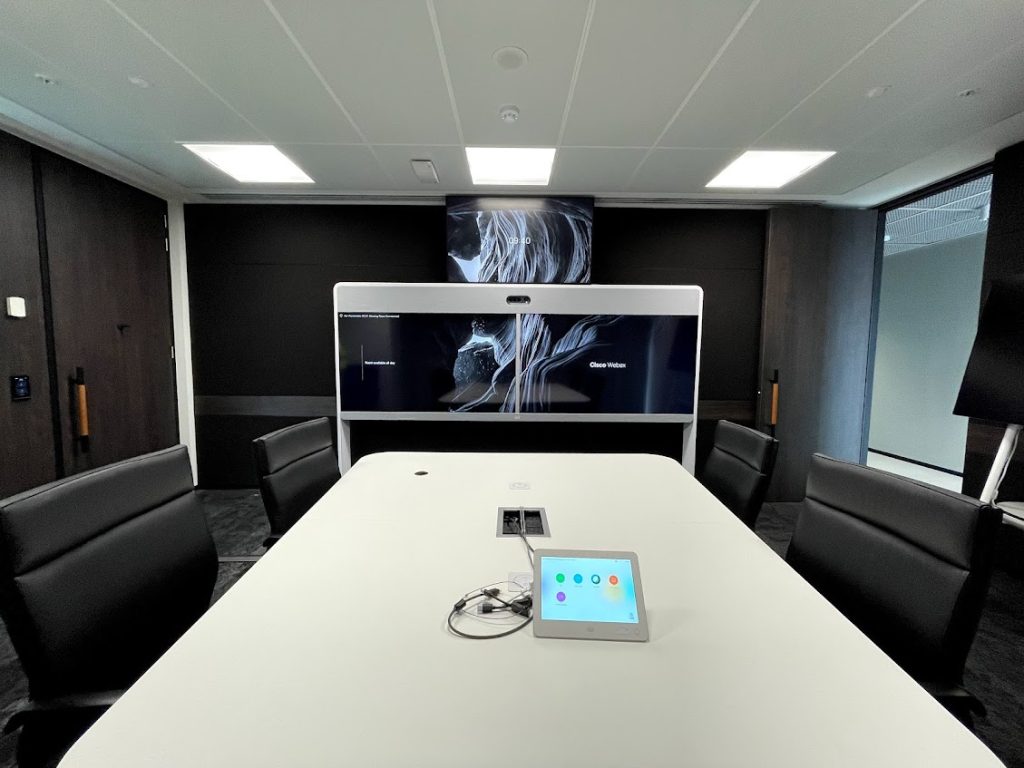
Platform standardisation helps organisations deliver more consistent and reliable meeting experiences across hybrid workplaces, multiple offices, and distributed teams.
Aligning meeting room technology with platforms like Microsoft Teams or Zoom can improve collaboration, reduce technical issues, simplify user interaction, and lower IT support requirements. Standardised systems also make future upgrades and room expansions easier to manage.
The Concept AV Approach to Platform Realignment
Platform realignment focuses on optimising existing meeting room technology to better support current business and collaboration requirements, rather than replacing entire systems.
This may include reconfiguring rooms for Microsoft Teams or Zoom, simplifying controls, improving audio and video performance, standardising room functionality, and optimising spaces for hybrid meetings. By improving usability and consistency, organisations can create meeting environments that are easier for employees to use with confidence.
Key Steps in an AV Platform Migration Strategy
A successful AV platform migration strategy aligns technology, workflows, and user experience.
- Assess Existing Infrastructure:
Review current meeting room technology, including displays, cameras, microphones, speakers, and connectivity, to identify what can be retained, optimised, or upgraded.
- Identify Platform Requirements:
Ensure meeting rooms meet the technical requirements for Microsoft Teams or Zoom, including compatible hardware, audio performance, camera coverage, and content sharing capabilities.
- Standardise User Experience:
Create consistent room functionality, controls, and workflows across locations to improve usability and lessen any confusion for employees.
- Optimise for Hybrid Collaboration:
Enhance audio, video, and room layouts to support effective participation for both remote and in-person attendees.
- Plan for Scalability:
Implement flexible AV solutions that can adapt to future workplace needs, technology upgrades, and business growth.
Business Benefits of AV Platform Alignment
Aligning meeting room technology with business communication platforms provides measurable operational and user experience benefits.
- Improved Meeting Experiences:
Meetings become easier to join, manage, and participate in. Staff spend less time troubleshooting and more time collaborating..
- Increased User Adoption:
Employees are more likely to use meeting room technology when systems are intuitive, reliable, and aligned with familiar workplace tools.
- Reduced Frustration and Downtime:
Simplified user experiences reduce technical disruptions during meetings. This improves confidence in workplace technology and reduces pressure on IT support teams.
- Better Return on Existing Investments:
Enterprise AV system reconfiguration allows businesses to maximise the value of existing infrastructure while adapting to new platform requirements.
- Stronger Hybrid Collaboration:
Well-configured meeting rooms help remote and in-person employees collaborate more effectively. This supports flexible work strategies and improves overall communication quality.
- Greater Operational Consistency:
Meeting room standardisation strategies create predictable user experiences across offices, reducing training requirements and operational complexity.
Future-Proofing Your Meeting Room Technology
Meeting room technology requirements will continue to evolve alongside workplace collaboration trends.
Businesses that focus on flexibility, compatibility, and scalability are better prepared to adapt to future conferencing platforms, workplace policies, and collaboration tools.
Future-proofing strategies may include:
- Using platform-certified hardware
- Supporting cloud-based management and monitoring
- Implementing modular AV system designs
- Prioritising interoperability between technologies
- Maintaining consistent user experiences across platforms
A proactive approach to workplace digital transformation AV planning helps organisations avoid repeated system overhauls while supporting long-term operational efficiency.
Who Benefits from AV Platform Migration?
Meeting room platform alignment delivers value across multiple business functions.
- CIOs and IT Directors:
IT leaders benefit from reduced support complexity, improved system standardisation, and easier management of enterprise collaboration environments.
- Digital Transformation Leaders:
Platform-aligned meeting rooms support broader workplace transformation initiatives by improving collaboration, consistency, and user adoption.
- Operations Teams:
Operational teams benefit from more reliable meetings, fewer disruptions, and improved communication across locations.
- Employees and Hybrid Teams:
Staff experience smoother meetings, easier room usage, and better collaboration between remote and in-office participants.
Conclusion
Meeting rooms should support the way your business works today, not the platforms and workflows of the past. When AV systems are aligned with Microsoft Teams or Zoom, organisations can reduce friction, improve collaboration, and deliver more consistent hybrid meeting experiences across every workspace.
A well-planned AV platform migration helps businesses maximise existing technology investments while creating meeting environments that are simpler to use, easier to manage, and better suited to future workplace needs.
FAQs
How do you migrate meeting rooms to Microsoft Teams or Zoom?
Migrating meeting rooms to Microsoft Teams or Zoom involves assessing existing AV infrastructure, identifying platform compatibility requirements, standardising room functionality, and optimising meeting spaces for hybrid collaboration. The process focuses on improving usability, reducing technical friction, and ensuring meeting rooms align with the organisation’s preferred communication platform.
What happens when AV systems don’t match business platforms?
When AV systems are not aligned with business platforms, organisations often experience poor meeting quality, inconsistent user experiences, increased technical workarounds, and lower adoption of meeting room technology. This can reduce productivity, frustrate employees, and create challenges for hybrid collaboration.
How can you improve hybrid meeting room user experience?
Improving hybrid meeting room user experience requires reliable audio and video performance, simplified controls, consistent room functionality, and better integration with collaboration platforms such as Microsoft Teams and Zoom. Optimised meeting rooms make it easier for remote and in-person participants to collaborate effectively.
Concept AV Provides Meeting Room Platform Migration AV Systems
If your meeting rooms no longer align with Microsoft Teams or Zoom, reviewing your AV setup can help reduce friction, improve collaboration, and create a more consistent user experience across your workplace.
Concept AV helps Australian organisations optimise and reconfigure meeting room technology to better support modern collaboration platforms, hybrid work, and long-term business requirements.
Contact the team to assess your meeting room environment and tune in the right solution for you.