


28 May Growth Without More Space: How to Maximise Meeting Room Capacity Without Expanding Your Office
As Australian workplaces shift to hybrid models, many are reducing their office footprint while expecting the same or higher output. According to research, only 11% of businesses effectively utilise their office space. Meeting rooms are now one of the most constrained and under-optimised assets.
A strong meeting room space optimisation strategy is no longer optional. It is essential for organisations looking to scale without increasing real estate costs, while maintaining productivity and employee experience.
How do you increase meeting room capacity without expanding office space?
You can increase meeting room capacity without expanding office space by improving booking system efficiency, introducing flexible room configurations, enabling hybrid collaboration technology, and using workplace analytics. These strategies reduce unused bookings, optimise room allocation, and ensure existing spaces support multiple use cases, increasing overall workplace capacity without additional investment.
When Office Growth Outpaces Available Space
Business growth rarely aligns with physical expansion timelines. Teams grow faster than office footprints, and hybrid work patterns create unpredictable peaks in demand.
Meeting rooms quickly become the most contested resource in the office. What appears to be a space issue is often a utilisation issue. Without visibility into how rooms are used, organisations struggle to manage capacity effectively.
This disconnect leads to wasted time, frustrated employees, and missed opportunities for collaboration.
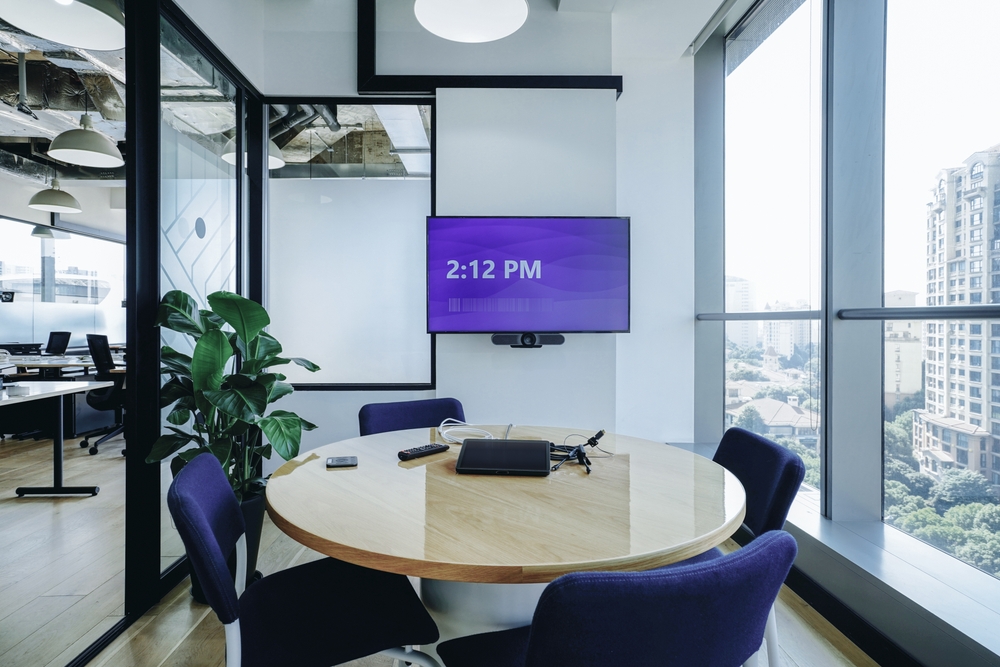
The Core Problem of Limited Meeting Room Capacity
The challenge is not just the number of rooms available. It is how they are used.
Common issues include:
- Rooms booked but left empty
- Large rooms occupied by small groups
- Back-to-back scheduling with no buffer time
- Limited flexibility in room configuration
Many organisations assume their meeting rooms are working because issues are not visible day to day. In reality, outdated systems, unsupported software, and inconsistent performance often go unnoticed until a critical meeting fails. These failures rarely happen in quiet periods. They occur when utilisation is highest and the cost of disruption is greatest.
Why Traditional Office Expansion Is No Longer the Answer
Expanding office space has historically been the default solution. However, rising commercial property costs and hybrid work models make this approach less viable.
Additional space introduces:
- Higher operational costs
- Underutilised areas during low-demand periods
- Increased complexity in workplace management
A modern office space optimisation strategy focuses on maximising existing assets rather than increasing the footprint. This approach aligns with hybrid work trends and supports long-term scalability.
A Structured Approach to Space Optimisation
A more effective strategy looks beyond whether meeting rooms function. It evaluates whether they are fit for purpose in a modern workplace.
The approach includes:
- Assessing meeting spaces against current collaboration platform standards
- Reviewing the operating system lifecycle and vendor support status
- Identifying gaps in performance, compatibility, and reliability
- Developing a structured roadmap for upgrades and optimisation
This method shifts organisations from reactive fixes to proactive planning. It ensures that every meeting space supports business needs without unnecessary investment.

Smart Meeting Room Utilisation Strategies
This forms the foundation of an effective office space optimisation strategy in hybrid workplaces. Optimising meeting room capacity starts with better visibility and smarter systems.
Key strategies include:
- Improve Booking System Efficiency
A robust meeting room booking efficiency system reduces scheduling conflicts and prevents unused reservations. Features such as real-time availability and automated release of unused bookings instantly improve utilisation.
- Introduce Flexible Room Configurations
Spaces should support multiple use cases. Movable furniture, modular layouts, and adaptable AV setups allow one room to serve different purposes throughout the day.
- Right-Size Room Usage
Encouraging teams to use appropriately sized rooms ensures that larger spaces remain available for high-demand meetings.
- Enable Hybrid Collaboration
Technology that enables seamless virtual participation increases room accessibility and reduces the need for physical attendance.
- Use Workplace Analytics
Data-driven insights into room usage patterns support better decision-making and continuous improvement.
Technology That Enables Growth Without Expansion
Technology plays a central role in enabling smart office space utilisation, providing the visibility and control needed to optimise how rooms are used. Key enablers include:
- Integrated scheduling systems that sync with calendars
- Occupancy sensors that track real-time usage
- Collaboration platforms that support remote participation
- Centralised dashboards for workplace analytics
Outdated systems create friction. A room that ‘mostly works’ can fail at critical moments, disrupting meetings and reducing confidence.
Business Benefits of Better Space Utilisation
Implementing a strong meeting room space optimisation strategy delivers measurable outcomes:
- Increased meeting room capacity without additional space
- Reduced real estate costs
- Improved employee experience and productivity
- Greater flexibility for hybrid work models
- Enhanced operational efficiency
Organisations that optimise their space gain a competitive advantage. They can scale operations without the delays and costs associated with expansion.
Future-Proofing Office Space for Hybrid Growth
Hybrid work is not a temporary shift. It is a long-term change in how organisations operate.
Future-ready workplaces focus on:
- Adaptability to changing workforce needs
- Technology that evolves with collaboration platforms
- Scalable infrastructure that supports growth
A proactive approach ensures that meeting spaces remain aligned with business requirements. It eliminates the cycle of reactive upgrades and emergency fixes.
Who Benefits from Meeting Room Optimisation?
Meeting room optimisation is not just an IT concern. It impacts multiple roles across the organisation:
- COOs managing operational efficiency
- Facilities Managers responsible for space planning
- Workplace Strategists designing hybrid environments
- IT leaders ensuring technology reliability
Each stakeholder benefits from improved workplace efficiency technology and better utilisation of existing resources.

Conclusion
Growth does not have to come at the expense of increased physical space. Most organisations already have the resources they need within their existing footprint.
Those that fail to optimise their meeting room environments often continue investing in additional space unnecessarily, while existing assets remain underutilised. The gap between perceived and actual capacity continues to widen, leading to unnecessary spend and avoidable operational friction.
Concept AV Can Help You Achieve Your Meeting Room Space Optimisation Strategy
If your meeting rooms are creating friction instead of supporting performance, it may be time to reassess how your technology and spaces align with current requirements. A structured review can uncover hidden risks, inefficiencies, and upgrade priorities.
Book a consultation with Concept AV to evaluate your environment and implement a clear, prioritised roadmap that supports growth without expanding your office footprint.